Discovering Malawi’s Warm
Beating Heart
Malawi gently steals your heart, with landscapes that breathe and a people whose kindness feels like an old friendship. Here is everything you need before you arrive.
Best Season
May – Nov
Currency
Kwacha / USD
Language
Chichewa & English
Malawi is a destination that gently steals your heart — a land of breathtaking lakeshores, rolling highlands, and a culture that welcomes every visitor like an old friend. The dry months from May to November draw many travellers for wildlife safaris and mountain hikes, though every season holds its own quiet magic. When exploring, travelling by day is easiest, and hiring a car gives you the freedom to go at your own pace — far more rewarding than relying on infrequent public transport.
What truly stays with you, though, are the people. Malawians are known for their easy smiles, thoughtful greetings, and a deep sense of community that makes you feel like more than just a visitor. It is this genuine kindness and hospitality that has earned the country its beautiful nickname — "The Warm Heart of Africa" — and it is something you will feel wherever your journey takes you, from lively towns to the quietest lakeside village.
Handy to Know
A Few Tips to Help You Make the Most of Malawi
Health & Vaccinations
Consult a travel health clinic 4–6 weeks before departure for malaria prevention and routine vaccinations. Drink only bottled or purified water throughout your stay.
Money & Payments
The Malawian Kwacha (MWK) is the official currency; US dollars are widely accepted. ATMs are available in Lilongwe and Blantyre — carry cash when heading to the lake or rural areas.
Getting Around
Travel by day where possible and opt for a 4x4 or pre-arranged transfer for rough rural roads. It's the most comfortable and scenic way to explore.
Safety & Security
Malawi is one of Africa's safer destinations. In Lilongwe and Blantyre, apply standard city awareness — keep valuables discreet. Most areas feel entirely relaxed.
Best Time to Visit
May–November is dry season — perfect for safaris, hiking, and lake days. December–April brings lush greenery and superb birdwatching during the rains.
Cultural Etiquette
Dress modestly in villages and sacred sites. Ask before photographing anyone. A few Chichewa words — "Moni" (hello), "Zikomo" (thank you) — go a very long way.
SIM Cards & Power
Affordable SIM cards (Airtel, TNM) are available at the airport. Power outages occur regularly — pack a portable power bank and a small torch.
Respect Local Laws
Photographing government buildings and airports is prohibited. Research current local regulations before your trip and respect customs throughout your stay.
For more detail on each of these, read our full travel tips guide.
Book with Confidence
Ready to Experience the Warm Heart of Africa?
Let Malawi Holidays handle every detail — tailored itineraries, trusted transfers, and handpicked accommodation with real local insight.
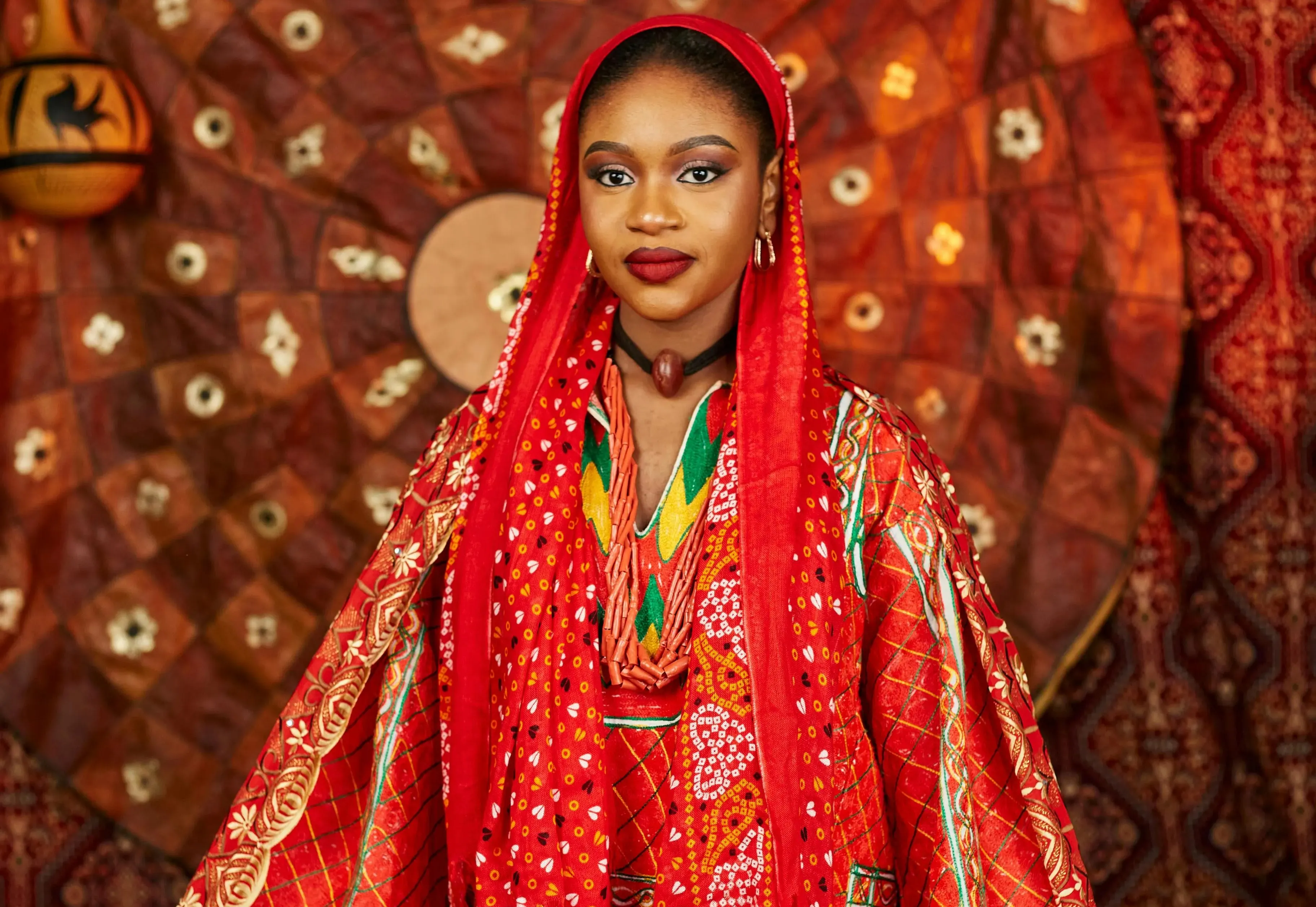
Cultural Etiquette & Dressing with Care

In Malawi, the way you dress is a quiet sign of respect. In cities like Lilongwe and Blantyre, a relaxed blend of modern and traditional styles is the norm; visitors are welcome to dress comfortably and casually. Light trousers, longer skirts, and sleeved tops all fit in naturally, whether you are enjoying a café, browsing a market, or meeting new friends.
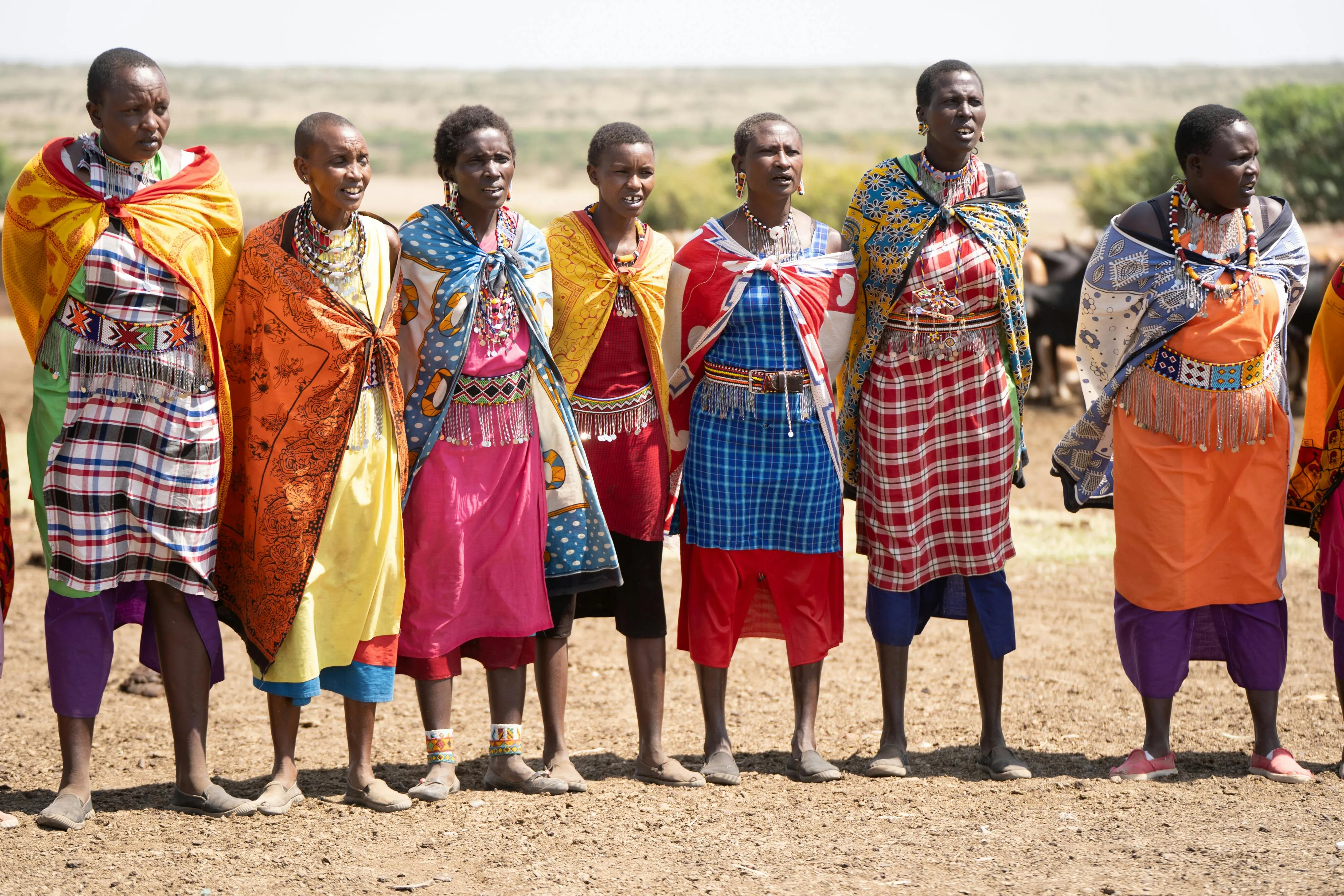
As you travel into rural areas and villages, people tend to dress more conservatively, and following their lead is a thoughtful gesture. Shoulders and knees are usually kept covered, and loose, breathable fabrics are both practical and respectful in the warm climate. Visiting a home, a place of worship, or a community gathering calls for a slightly more modest outfit, always warmly appreciated.
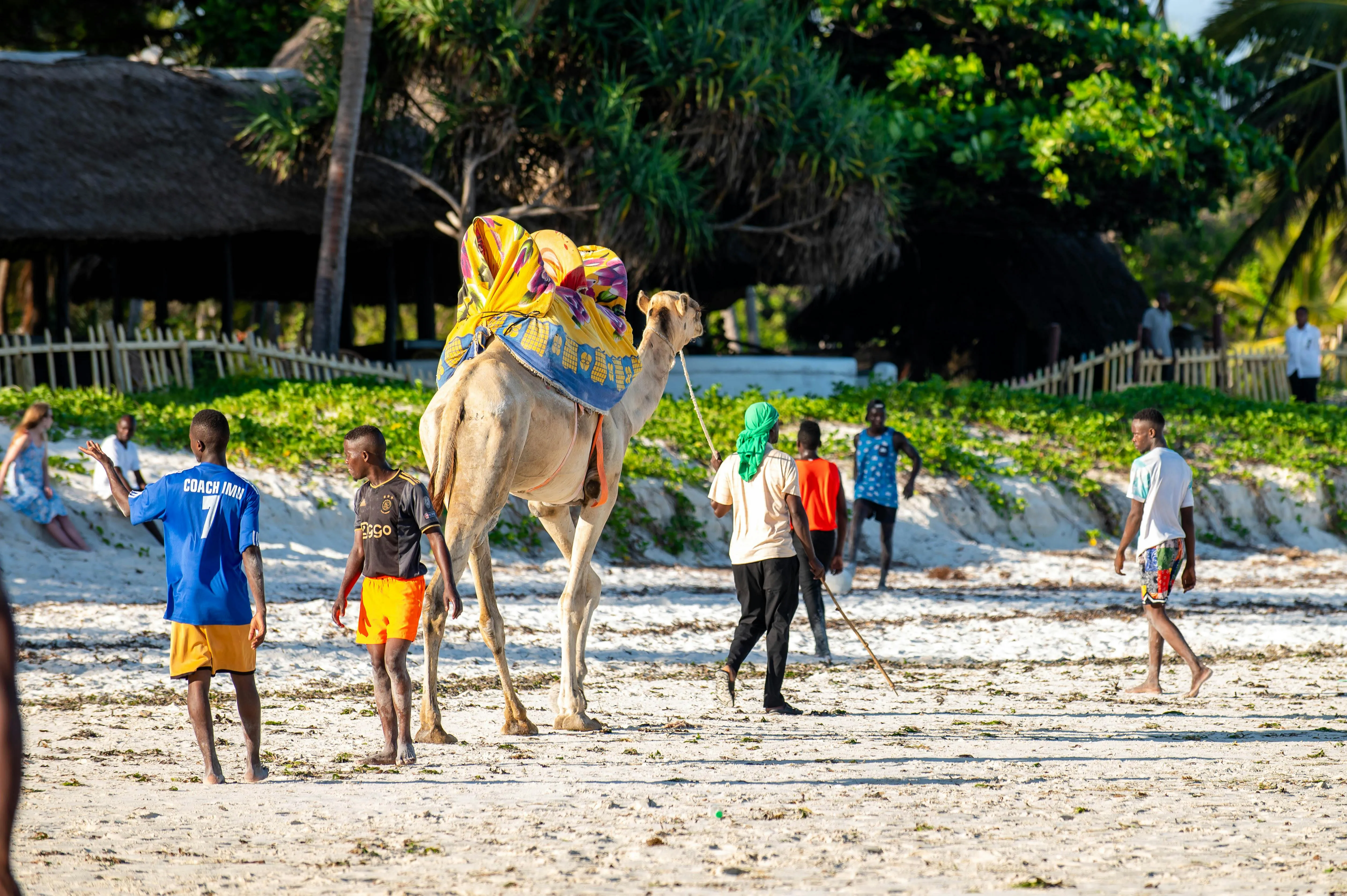
Around Lake Malawi and at lodges, the atmosphere is wonderfully relaxed. Swimwear is perfectly fine by the water, though most people like to throw on a light wrap or shirt when stepping into nearby villages or shops. In the evenings, a light layer is useful, and many enjoy changing into something a little smarter for dinner at camps or guesthouses.
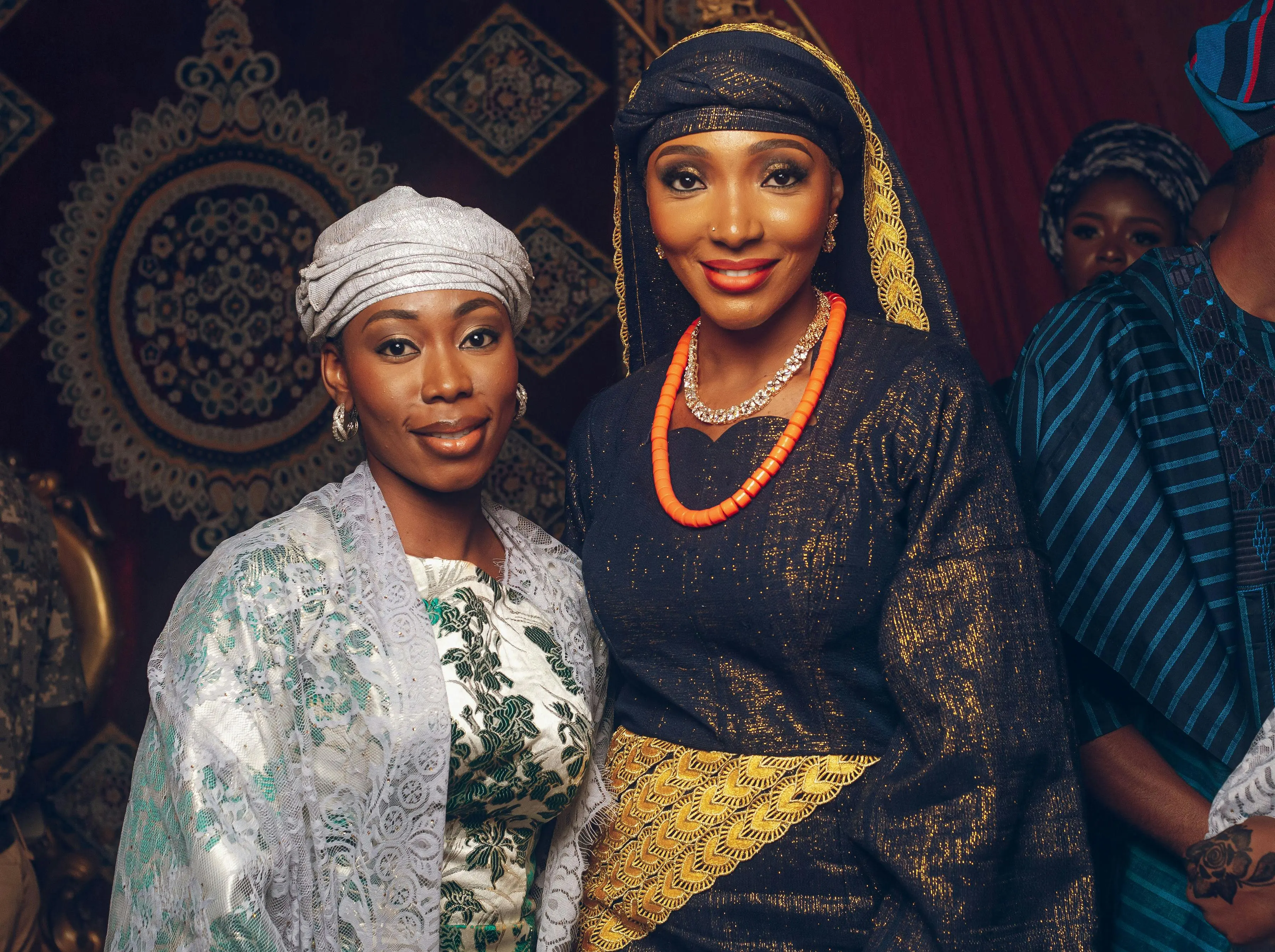
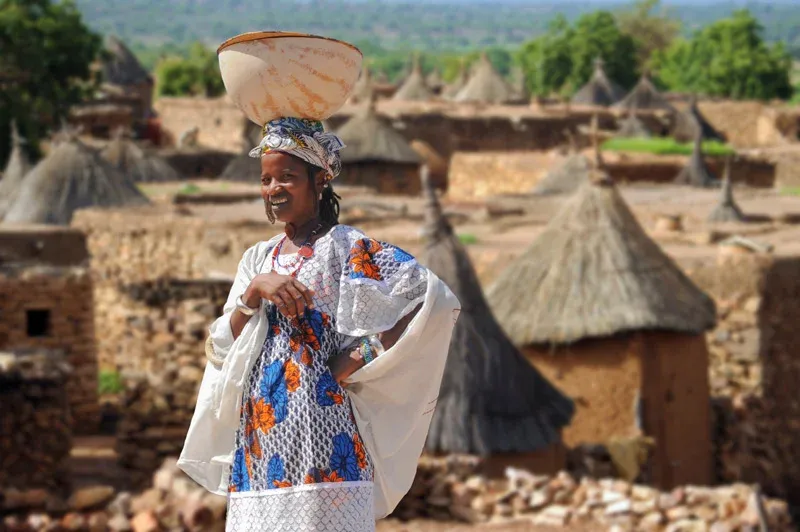
For special occasions: festivals, ceremonies, and weddings, vibrant chitenje fabrics are worn with great pride. Visitors are warmly welcomed to join in by wearing a chitenje themselves. It is a beautiful way to connect, share in the moment, and show genuine respect for the rich culture around you.
📸 A gentle reminder:if you would like to photograph someone, a friendly ask and a warm smile are almost always met with an even bigger smile in return. It is these small, thoughtful gestures that help you feel truly at home in Malawi. Read our full guide on cultural etiquette in Malawi →
Essentials
A Few Extras Before You Go
Documents
Check your passport validity and visa requirements well before departure — arriving with everything in order means you can focus entirely on the adventure ahead.
Gear
Malawi's sunshine is generous. Pack sunscreen, insect repellent, and a mosquito net to stay comfortable and carefree as you explore.
Cash
Small US dollar notes are especially handy for handmade crafts, tips, and small purchases along the way — particularly away from the larger towns.
Tipping
A small cash tip is a lovely way to say thank you to guides, drivers, and lodge staff who go the extra mile to make your stay special.
Be Patient
Life here moves at a softer, slower rhythm — what locals warmly call "Malawi time." Leaning into that pace is part of the genuine joy of being here.
Lake Safety
Lake Malawi is one of the country's most treasured places. Before swimming, ask a local — they will always point you to the calmest and safest spots.
We Are Here for You
Still Got Questions About Malawi?
The Malawi Holidays team is available 24/7 to answer anything — from packing lists to cultural advice, visa queries to custom itineraries. Just reach out.
Loading packages…
Every season has its magic
There is no wrong time to visit Malawi — each season offers something distinctly beautiful. Here is how to find yours.
Golden & Wild
May – November · Dry Season
Dry, sunny days made for safaris, hiking, and lakeside exploring. Wildlife concentrates around water sources, making game drives in Liwonde and Majete especially rewarding. The light is extraordinary — photographers love this time of year.
Lush & Alive
December – April · Wet Season
The rains transform Malawi into something almost otherworldly — deep greens, rushing rivers, and a dramatic sky that never looks the same twice. This is the finest time for birdwatching, with migratory species arriving in abundance.
Travelling Solo
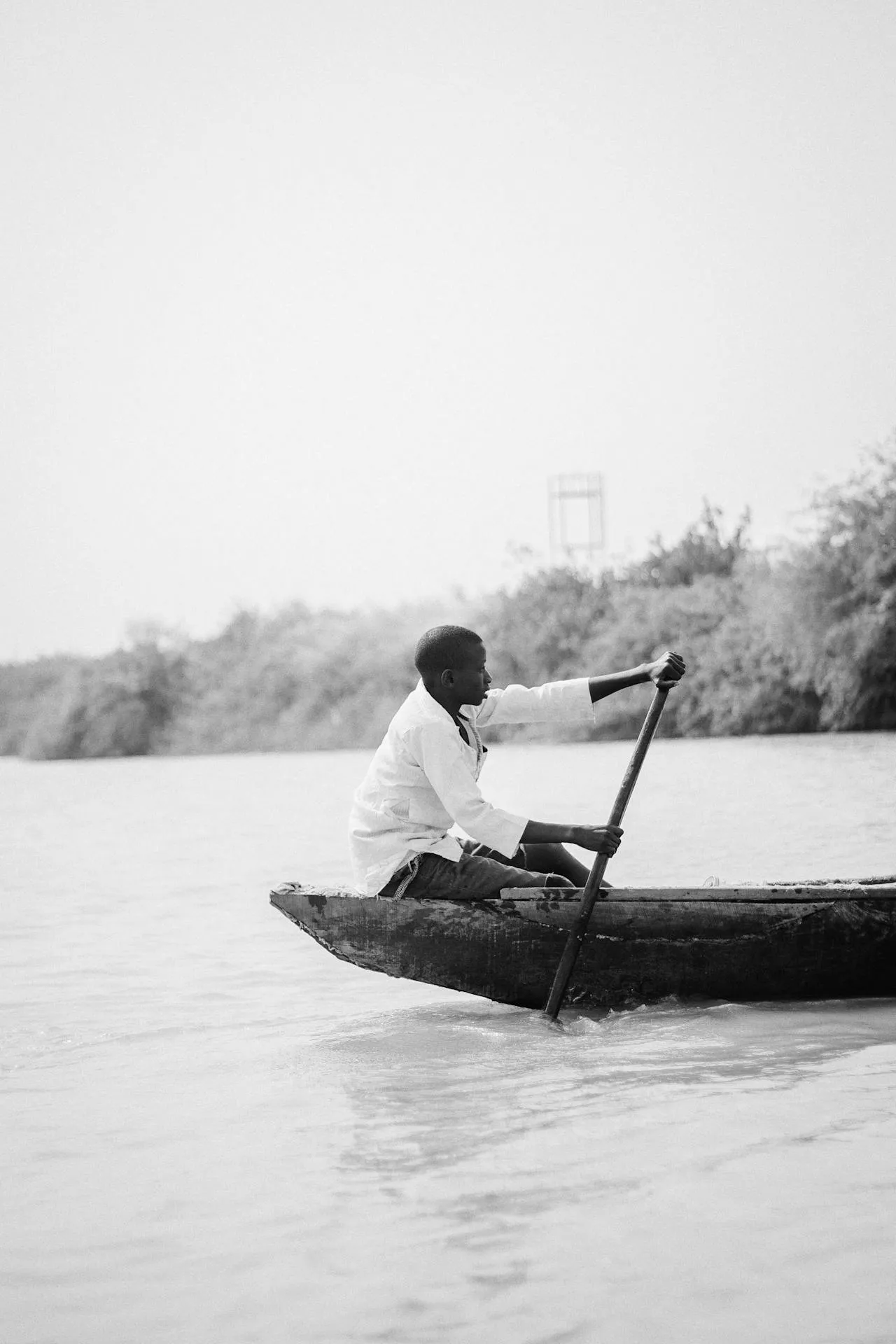
Malawi is a wonderfully welcoming destination for solo travellers, where it's easy to feel both safe and at home from the moment you arrive. The gentle pace of life, friendly smiles, and strong sense of community make exploring on your own feel relaxed rather than lonely, whether you're wandering lakeside villages, enjoying a safari, or browsing a local market.
For those who prefer a little extra structure, our team at Malawi Holidays is known for creating superb, bespoke single-person itineraries, thoughtfully tailored to your interests — allowing you to enjoy the freedom of solo sightseeing with the comfort of local expertise close at hand.
What to Pack
for a Safari
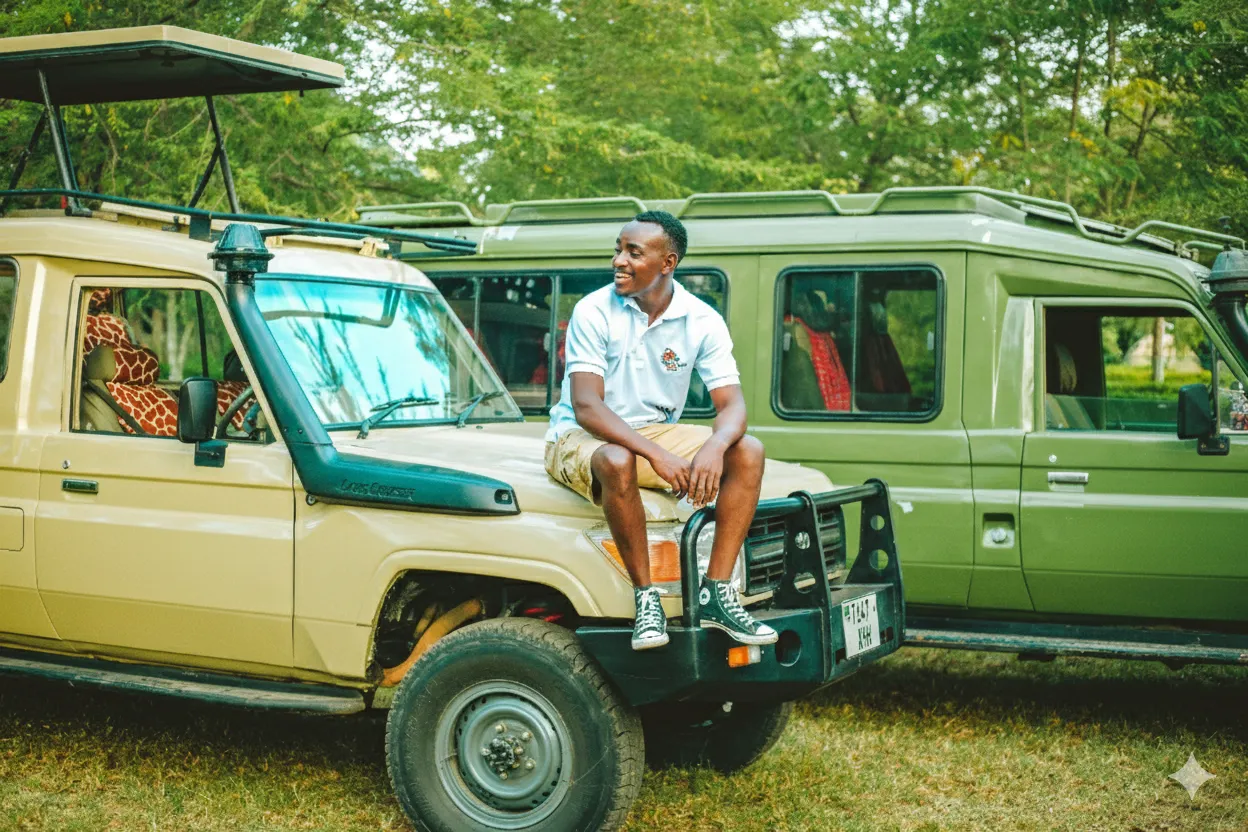
With the right clothing and gear, you'll be perfectly prepared to enjoy Malawi's diverse safari experiences, from thrilling game drives to tranquil lakeside moments, while staying comfortable, safe, and immersed in the warmth of the local culture. Malawi offers a wonderfully diverse safari experience in the key safari areas of Liwonde National Park, Majete Wildlife Reserve, Nkhotakota Wildlife Reserve, Lengwe National Park, Kasungu National Park, Lake Malawi National Park and the peaceful wetlands of scenic Vwaza Marsh Wildlife Reserve.
Packing for a Malawi safari is all about staying comfortable, cool, and ready for a little adventure, whether you're exploring the wild savannahs, cruising along a river, or relaxing by the lake. Here's a practical checklist, tailored to some of Malawi's most-loved safari areas:
Your Packing Checklist
Everything You Need, Nothing You Don't
Safari Clothing
Lightweight, neutral-coloured clothes (khaki, beige, olive) help you blend into the landscape while staying cool — perfect for Liwonde's riverbanks or Majete's open savannah.
Long-sleeved shirts and trousers protect against the sun and mosquitoes, especially useful in Nkhotakota's wilder areas or during evening drives in Kasungu.
A warm layer is handy for early morning game drives in Majete or Lengwe, where the air can be crisp before sunrise.
Comfortable walking shoes or trainers for bush walks in Vwaza Marsh or lodge grounds across any park.
A wide-brimmed hat or cap to keep you shaded during mid-day drives or while watching birds at Lake Malawi National Park.
Swimwear for a refreshing dip in Lake Malawi or lodge pools, plus a light wrap or sarong when moving around villages or communal spaces.
Safari Essentials
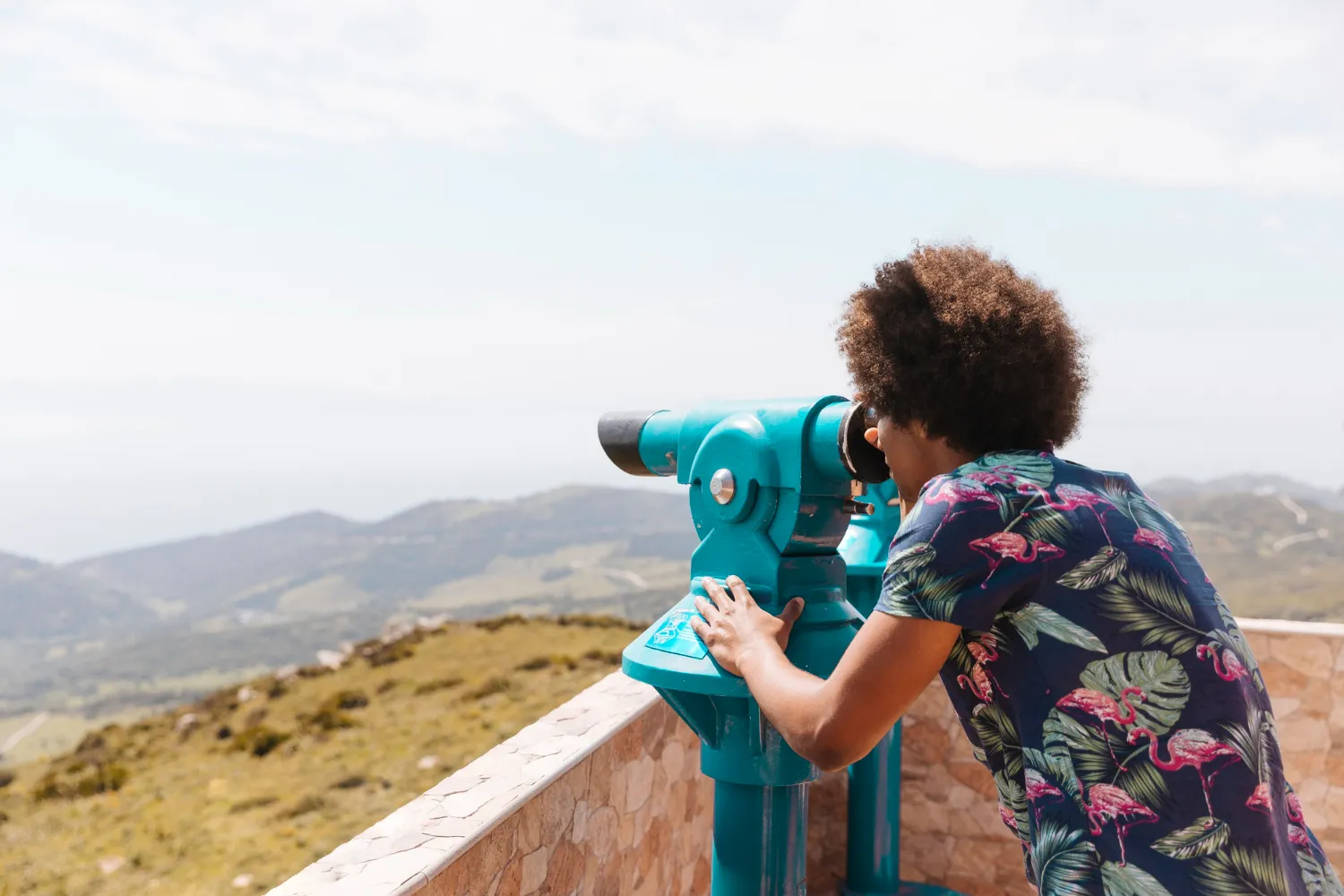
Binoculars are invaluable for spotting birds and wildlife up close — elephants along the Shire River in Liwonde or hippos and waterbirds in Vwaza Marsh.
Sunglasses and high-SPF sunscreen protect you during long drives or lakeside excursions.
Insect repellent and, if you like, a mosquito net — particularly in wetter areas like Nkhotakota or around Lake Malawi.
Small backpack or daypack for carrying essentials on drives or short bush walks.
Reusable water bottle (filtered or filled with safe water) to stay hydrated in the dry, sunny climate of Majete or Lengwe.
Travel & Practical Items
Passport, visa, and travel documents (plus copies) for a smooth arrival and easy transfers between parks.
Small US dollar notes and local Kwacha for tipping guides in Majete or buying handmade crafts from local communities near Nkhotakota.
Camera or phone with spare memory and a power bank to capture stunning landscapes and wildlife sightings across all safari areas.
Torch or headlamp for evenings at camps or lodges, especially in remote parks like Vwaza Marsh.
Basic first-aid kit (plasters, pain relief, personal medication) for peace of mind in more remote locations.
Little Comforts That Go a Long Way
Light scarf or shawl — handy for sun, dust, or modesty when visiting villages around Lake Malawi or small rural communities near parks.
Flip-flops or sandals for relaxed lodge time after a day of game drives.
Travel laundry soap if you're on a longer safari circuit through Liwonde, Majete, and Nkhotakota.
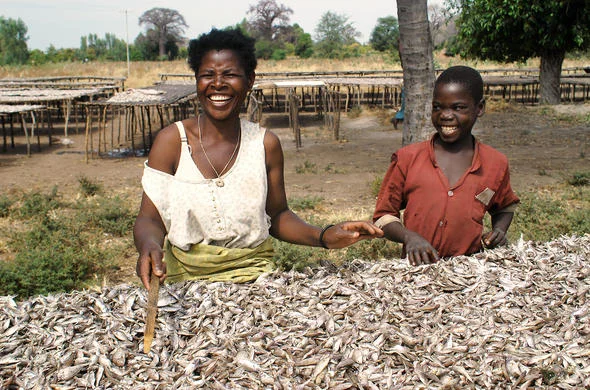
"It is this genuine kindness and hospitality that has earned the country its beautiful nickname."
The Warm Heart of Africa
Your Malawi story
starts here
Whether you are planning a solo adventure, a family safari, or an intimate retreat...
Available 24/7 · Lilongwe-based team · No booking fees